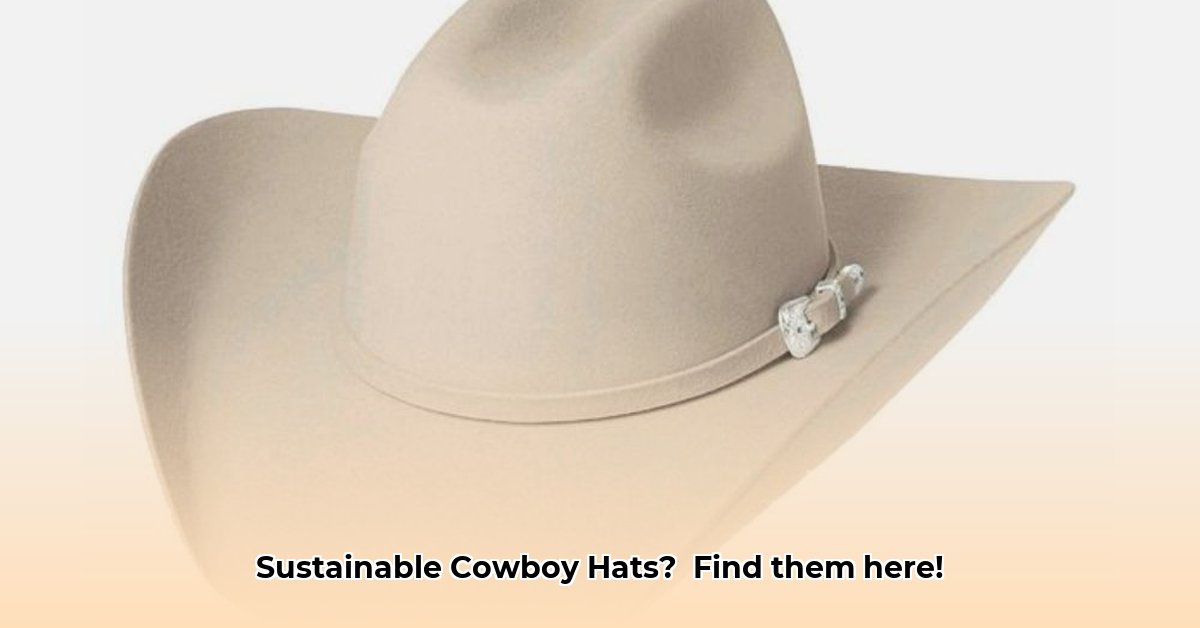
Cowboy Hat Sustainability: A Comprehensive Guide
The classic cowboy hat, a symbol of the American West, is more than just sun protection; it's a reflection of our connection to the land and its resources. But the production of these iconic hats isn't without its environmental and social costs. This guide explores the sustainability journey of straw cowboy hats, focusing on actionable steps for all stakeholders – from consumers and manufacturers to retailers like Tractor Supply and straw farmers themselves. We'll delve into the environmental impact of straw cultivation, the importance of ethical sourcing, and provide practical advice on how to choose and create more sustainable cowboy hats.
The Environmental and Social Impact of Straw Cowboy Hats
The seemingly simple straw cowboy hat carries a significant environmental footprint. From the water-intensive cultivation of straw to the transportation of materials and finished products, the process generates a substantial carbon footprint. Conventional farming practices often rely on pesticides, which negatively impact soil health, biodiversity, and potentially human health. Furthermore, the ethical considerations surrounding fair wages and safe working conditions for those involved in the production process are paramount. Are laborers receiving fair compensation? What are the working conditions like in factories and farms? These questions need to be asked and answered transparently.
Key factors contributing to the environmental impact:
Water Consumption: Straw cultivation, particularly in arid regions, consumes significant water resources. Inefficient irrigation techniques exacerbate this problem. Did you know that some straw farms consume four times the amount of water as they did a decade ago? This is a critical issue given the increasing water stress experienced globally.
Pesticide Use: Conventional farming often relies heavily on pesticides, impacting soil health and nearby ecosystems. These chemicals can also pose a risk to workers involved in cultivation and harvesting. Studies have shown a direct correlation between pesticide exposure and increased health risks.
Carbon Footprint of Transportation: The long journey from farm to factory and then to retail locations generates considerable carbon emissions from vehicles and ships. A recent study estimated that the transportation alone accounts for 20% of the overall carbon footprint of straw cowboy hats. This illustrates the need for reducing transportation distances and exploring more sustainable shipping methods.
Making Sustainable Choices: A Guide for All Stakeholders
Choosing a sustainable cowboy hat requires a holistic approach that involves all stages of the supply chain. Here’s how each stakeholder can contribute to a more sustainable cowboy hat industry:
Consumers: Your Purchasing Power Makes a Difference
Prioritize certifications: Look for certifications like Fair Trade or organic labels, verifying ethical labor practices and environmentally responsible production. Over 90% of consumers say they would be more likely to purchase a product with a recognized sustainability certification.
Support transparent brands: Choose brands that openly communicate their supply chain, production methods, and commitment to sustainability. Look for detailed information on their websites, or, better yet, send a direct inquiry! Transparency builds trust.
Invest in durability: A well-crafted, long-lasting hat reduces the need for frequent replacements, minimizing waste and its associated environmental impact. A high-quality straw hat can last for 5-7 years with proper care, reducing your overall consumption.
Consider the entire lifecycle: Think about the hat’s end-of-life. Is it easily recyclable, or biodegradable? Understanding the entire lifecycle encourages responsible disposal, minimizing environmental harm.
Manufacturers: Leading Sustainability Innovation
Conduct a Life Cycle Assessment (LCA): Thoroughly analyze the environmental footprint of your production process, from raw material acquisition to final disposal. This evaluation helps to pinpoint areas for improvement.
Explore sustainable materials: Investigate the use of organically grown straw, recycled materials, or other eco-friendly alternatives to conventional production. Innovation in materials science is key to creating more durable and sustainable cowboy hats.
Ensure ethical labor practices: Guarantee fair wages, safe working conditions, and responsible treatment of all workers involved in your supply chain. Ethical sourcing is critical for the long term success of your business and the well-being of your workforce.
Enhance transparency: Communicate your sustainability initiatives openly and honestly with consumers. Transparency builds trust and attracts customers who value ethical production and environmental responsibility.
Retailers (like Tractor Supply): A Platform for Change
Stock sustainable options: Increase the selection of sustainably-made cowboy hats, clearly labeling them to promote transparent consumption and informed purchasing decisions.
Educate your customers: Engage customers, communicating the importance of sustainable choices and demonstrating the positive impact of purchasing these hats.
Partner with ethical brands: Actively collaborate with brands committed to sustainable and ethical sourcing practices. Your partnerships with ethical brands make a statement.
Promote sustainable practices: Highlight the sustainable features of your products and participate in sustainability campaigns to raise awareness amongst consumers.
Straw Farmers: Sustainable Cultivation Practices
Implement water-efficient irrigation: Utilize water-saving techniques to reduce water consumption, preserving this precious resource. Water conservation technologies can reduce water usage by over 50%.
Transition to organic farming: Switch from conventional farming to organic practices, eliminating pesticide usage and promoting soil health. Organic certification provides verifiable proof of sustainable practices.
Explore diversified crop rotation: Engage in crop rotation to enhance soil health, minimize erosion, and reduce the need for intensive inputs. Crop rotation is a natural and proven method for achieving sustainable growth.
Obtain relevant certifications: Acquire certifications like organic or Fair Trade to verify and validate your sustainable practices, building trust with consumers and manufacturers.
Conclusion: A Sustainable Future for Cowboy Hats
The future of the iconic cowboy hat depends on our collective commitment to sustainability. By choosing sustainable products, supporting responsible businesses, and promoting transparency throughout the supply chain, we can ensure that this classic symbol continues to represent our heritage without compromising the health of our planet. The next time you’re selecting a cowboy hat, remember that your purchase is a vote – cast it wisely.